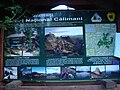
The Călimani National Park (Romanian: Parcul Naţional Călimani) is a protected area (national park category II IUCN) situated in Romania and located at Northern side of Eastern Carpathians (Bistrita – Nasaud, Harghita, Mures and Suceava counties). In the administrativ territory of counties Mureș (45%), Suceava (35%), Harghita (15%), and Bistrița-Năsăud. It has 64,000 acres. It protects the Călimani Mountains.
Description
The park is on a mountain area with diversified landforms: peaks (Pietrosul Călimanului - 2100 m, Gurghiu - 1776 m, Harghita - 1800 m, Lucaciu - 1778 m, 12 Apostoli - 1760 m, Ciomatu - 1301 m), rocky steep cliffs, gorges, valleys, dolines, hillocks, clints, ponors, glades; with natural areas covered with forests, pastures and meadows.
The natural area has several habitat types (Acidophilous Picea abies forests in the mountain region (Vaccinio-Piceetea), Larix decidua and/or Pinus cembra forests in the mountain region, species-rich Nardus mountain meadows, on siliceous substrates, Pinus mugo and Rhododendron myrtifollium shrubs, Shrubs with subarctic Salix species, Herbaceous vegetation on the banks of mountain rivers) that shelter a diverse range of flora and fauna specific to the Eastern Carpathians.
Located in the Călimani Mountains and including the largest volcanic crater in Romania with a diameter of about 10 km (currently extinct), the Călimani National Park with a total area of 24.566 ha, includes the nature reserves Doisprezece Apostoli (Twelve Apostles) (with the 12 Apostles Thematic Trail), Jnepenișul cu Pinus cembra (Mountain pine with Pinus cembra) - Călimani and Iezer Lake and overlaps the special avifaunistic protection area of the Călimani Mountains (SPA site) - Natura 2000.
The former sulphur mining site in the Călimani Mountains is now an enclave within this national park.
See also
- Protected areas of Romania
References